

Why Pigmentation Often Worsens During Summer — And What Helps
For many people, summer is when their skin looks its best. A little sunshine can bring a healthy glow, but for those prone to pigmentation, warmer weather often tells a different story.
At Sciene London, we frequently see patients who feel their skin was looking brighter and more even during winter, only for dark patches, uneven skin tone or melasma to become more noticeable as summer arrives. Often, they are already using good skincare and SPF, which can make the changes feel particularly frustrating.
The reality is that pigmentation is influenced by more than just the sun. Heat, inflammation and everyday UV exposure can all stimulate excess pigment production, making existing concerns appear darker and harder to manage.
The good news is that with the right combination of skincare, sun protection and professional treatments, pigmentation can often be improved and future flare-ups better controlled.
Why Does Pigmentation Get Worse During Summer?
Pigmentation develops when the skin produces excess melanin, the pigment responsible for skin colour.
During summer, several factors can increase melanin production:
Increased UV exposure
Higher temperatures
More time spent outdoors
Inflammation within the skin
Existing pigmentation becoming more active
Many people assume pigmentation only worsens after sunburn. In reality, even short periods of daily exposure can have an impact over time.
Walking the dog, driving, sitting near a window or having lunch outdoors all contribute to cumulative UV exposure. For skin that is already prone to pigmentation, this can be enough to trigger visible changes.
What Is Melasma?
Melasma is one of the most common pigmentation concerns we see at Sciene.
It typically appears as brown or grey-brown patches on the:
Cheeks
Forehead
Upper lip
Chin
Unlike simple sunspots, melasma is often influenced by a combination of factors including hormones, genetics, heat and UV exposure.
One reason melasma can be challenging is that the pigment-producing cells become highly reactive. Once triggered, they can continue producing excess pigment long after the original cause has gone.
This is why many patients notice a pattern where their melasma improves during cooler months before returning each summer.
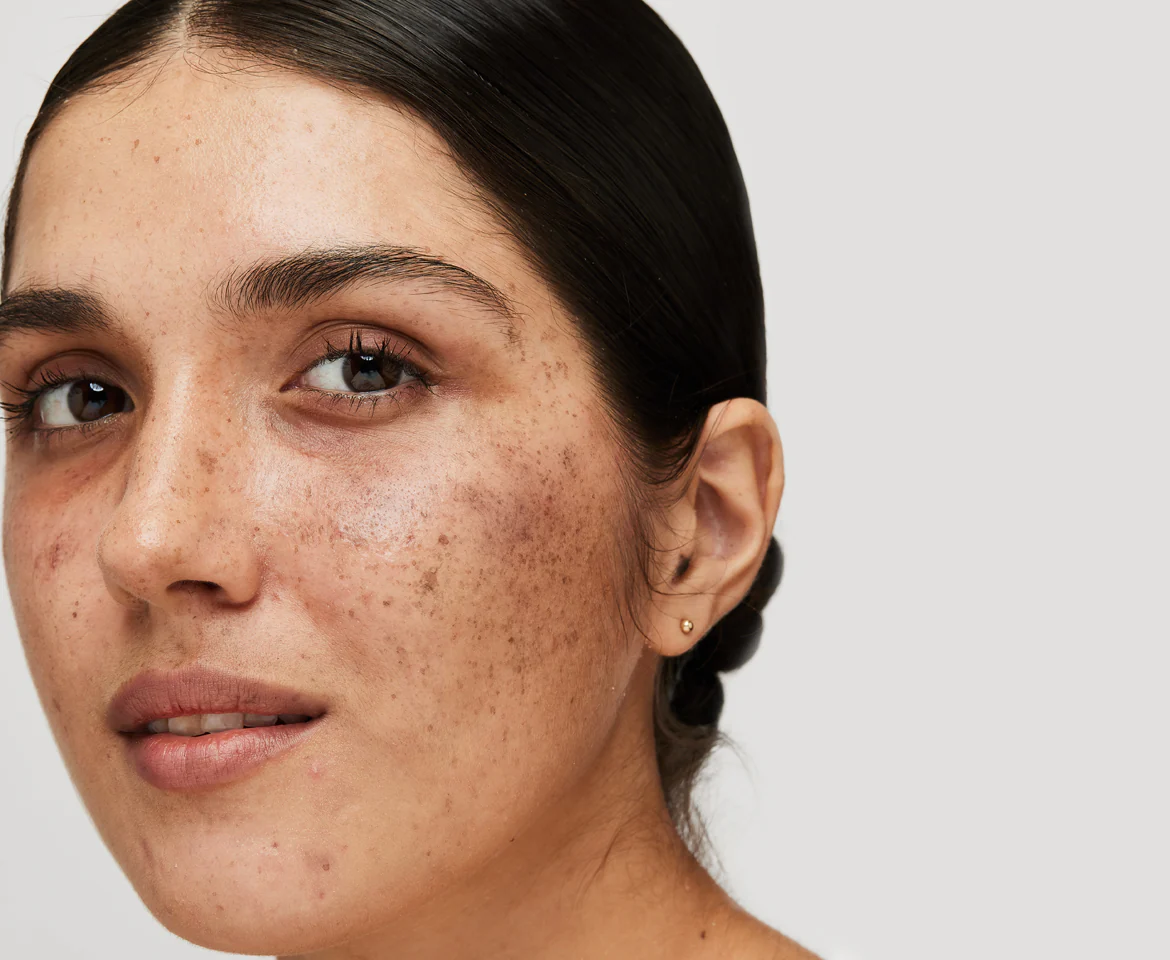
Can Heat Cause Pigmentation?
While UV exposure remains one of the biggest triggers, research has shown that heat can also stimulate pigment production, particularly in people with melasma.
Activities which can contribute to pigmentation include:
Exercising outdoors
Sunbathing
Hot yoga
Spending long periods in hot environments
This is one reason why pigmentation management is often about reducing overall triggers rather than focusing on sun exposure alone.
What Is Inflammation-Triggered Pigmentation?
Inflammation-triggered pigmentation, also known as post-inflammatory hyperpigmentation, develops when the skin creates excess pigment after irritation or injury.
Common causes include:
Acne breakouts
Picking the skin
Aggressive exfoliation
Eczema flare-ups
Excessive sun exposure
A common mistake patients make is assuming that stronger skincare will produce faster results. In reality, overusing active ingredients can sometimes create more inflammation, which may worsen pigmentation rather than improve it.
For this reason, a gentle corrective skincare routine is often far more effective than an aggressive one.
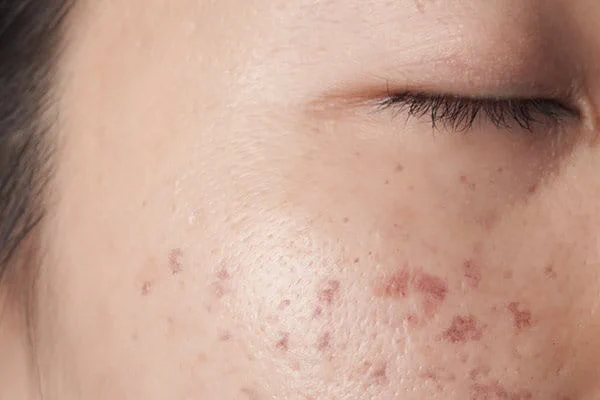
Why Is Daily SPF Essential?
If there is one skincare product that makes the biggest difference when managing pigmentation, it is SPF.
Without adequate protection, the skin remains exposed to the triggers that encourage melanin production. Even the most advanced pigmentation treatments will struggle to deliver optimal results if UV exposure continues unchecked.
Daily SPF helps to:
Reduce pigmentation flare-ups
Protect against UV damage
Support treatment results
Help maintain a more even skin tone
Importantly, SPF should be worn every day, not just on sunny days or holidays.
Many patients are surprised to learn that UVA rays can penetrate cloud cover and glass, meaning everyday exposure still matters.
How Can ZO Skin Health Help Pigmentation?
For patients concerned about melasma, uneven skin tone and inflammation-triggered pigmentation, ZO Skin Health offers a range of products designed to help regulate pigment production.
Rather than simply targeting pigmentation that is already visible, ZO Skin Health pigment suppressors work to help reduce the formation of new excess pigment while supporting a clearer, more even complexion.
Treatment recommendations depend on factors such as:
The type of pigmentation present
Skin sensitivity
Previous skincare use
Overall skin health
This is why a personalised skincare plan often delivers better results than selecting products independently.
In practice, the best outcomes usually come from combining pigment-suppressing products with daily SPF and treatments that improve overall skin health.
Which Treatments Can Help Uneven Skin Tone and Pigmentation?
At Sciene, the treatment we recommend depends on what is causing the pigmentation, how reactive the skin is and whether there are other concerns such as redness, dullness or changes in texture. This is particularly important with melasma, where being too aggressive can sometimes make the problem worse.
Alma Harmony Flawless Face
For visible pigmentation and uneven skin tone, Alma Harmony Flawless Face is one of our main treatment options at Sciene.
The treatment uses advanced light-based technology to target areas of unwanted pigmentation within the skin. The light energy is absorbed by excess pigment, helping the body gradually break it down and clear it naturally. At the same time, the treatment can address redness and improve the overall clarity and brightness of the complexion.
We often consider Flawless Face when patients are noticing:
Sun-induced pigmentation and brown spots
Uneven or patchy skin tone
Redness alongside pigmentation
Dull, tired-looking skin
General signs of sun damage
One of the benefits of treating the skin in this way is that we can look at the complexion as a whole rather than concentrating on one isolated dark mark.
Melasma does require a more cautious approach. Because it can be triggered by heat, UV exposure and inflammation, treatment needs to be carefully selected and supported with appropriate homecare. This is where professional assessment becomes particularly important.
OBSERV Skin Analysis
Before deciding how to treat pigmentation, it helps to understand what is happening beneath the surface.
OBSERV Skin Analysis allows us to assess pigmentation, redness, sun damage and overall skin condition in greater detail than we can see with the naked eye.
This can help us distinguish between different types of discolouration and decide whether the priority should be calming and strengthening the skin first, introducing pigment-suppressing skincare, or progressing to a treatment such as Alma Harmony Flawless Face.
Can Flawless Face Be Combined With ZO Skin Health?
Yes, and this is often where a more complete approach to pigmentation comes in.
Flawless Face targets visible pigmentation within the skin, while ZO Skin Health pigment suppressors and daily SPF help manage the processes that can cause excess pigment to develop or return.
For milder uneven skin tone, we may begin with daily SPF and a carefully selected ZO Skin Health routine before deciding whether an in-clinic treatment is needed.
Where there is more established sun damage or visible pigmentation, we may combine professional skincare with Alma Harmony Flawless Face. Maintaining the right homecare afterwards is equally important, particularly for anyone prone to recurrent pigmentation.
Where Do Mesoluxe, Microneedling, Exosomes and Polynucleotides Fit In?
Not every treatment in a pigmentation plan needs to target pigment directly.
Mesoluxe Mesotherapy can be useful where dehydration, dullness or a weakened skin barrier are contributing to poor overall skin quality.
Similarly, Microneedling with Exosomes or Polynucleotides may be considered where uneven tone exists alongside concerns such as texture, early ageing or reduced skin quality.
These treatments are supportive rather than our primary treatment for pigmentation. If excess pigment is the main concern, Alma Harmony Flawless Face, ZO Skin Health pigment management and consistent SPF would usually be more central to the treatment plan.
What Usually Works Best for Pigmentation?
There is rarely one product or treatment that solves every type of pigmentation.
For mild uneven skin tone, we would usually start by getting the basics right: daily SPF, gentle corrective skincare and appropriate ZO Skin Health pigment suppressors.
If visible pigmentation or sun damage is more established, Alma Harmony Flawless Face can then be introduced to target the discolouration already present within the skin.
For melasma or inflammation-triggered pigmentation, the approach may need to be more gradual. Controlling inflammation, protecting the skin from UV exposure and reducing unnecessary irritation can be just as important as treating the pigment itself.
In practice, the most consistent results tend to come from combining professional treatment with good homecare, rather than relying on either one alone.
Frequently Asked Questions
Does melasma always get worse during summer?
Not always, but increased UV exposure and heat can make melasma more noticeable in many people.
Can pigmentation disappear completely?
Some forms of pigmentation respond very well to treatment. Melasma is typically managed rather than permanently cured, which is why ongoing maintenance is important.
Is SPF enough to treat pigmentation?
SPF is essential, but it usually works best alongside corrective skincare and, where appropriate, professional treatments.
Can inflammation make pigmentation worse?
Yes. Acne, irritation and overuse of active skincare products can all trigger excess pigment production.
Is summer a bad time to start pigmentation treatment?
Not necessarily. Many skincare programmes and treatments can be safely performed during summer with appropriate guidance and sun protection.
Book a Pigmentation Consultation at Sciene
If you are concerned about melasma, uneven skin tone or pigmentation that becomes more noticeable every summer, a consultation at Sciene can help establish what is happening within your skin and how best to treat it.
Located in Muswell Hill, we welcome patients from across North London, including Highgate, Crouch End, Finchley, Hampstead, Barnet and the surrounding areas. Depending on your skin, your personalised plan may include Alma Harmony Flawless Face, ZO Skin Health pigment suppressors, daily SPF and supportive skin treatments where appropriate.
Book a consultation today and discover how a targeted, clinically led approach can help you achieve a brighter, more even complexion.
