

Microneedling in Summer: Can You Still Treat Your Skin Safely?
Summer often brings a renewed focus on skin health. As the weather improves and holidays approach, many people become more aware of concerns such as dehydration, dullness, uneven texture, enlarged pores, and early signs of ageing.
One of the most common questions we hear in clinic is whether microneedling can still be performed safely during the summer months. The short answer is yes.
Microneedling remains one of the most effective treatments for improving overall skin quality, supporting collagen production, and enhancing hydration, even during summer. The key lies in appropriate treatment selection, careful timing, and following the right aftercare advice.
At Sciene in Muswell Hill, we frequently perform microneedling with exosomes or polynucleotides throughout the year. For many patients, summer can actually be an excellent time to focus on skin health, provided treatments are planned correctly and sensible sun protection measures are followed.
What Is Microneedling With Exosomes?
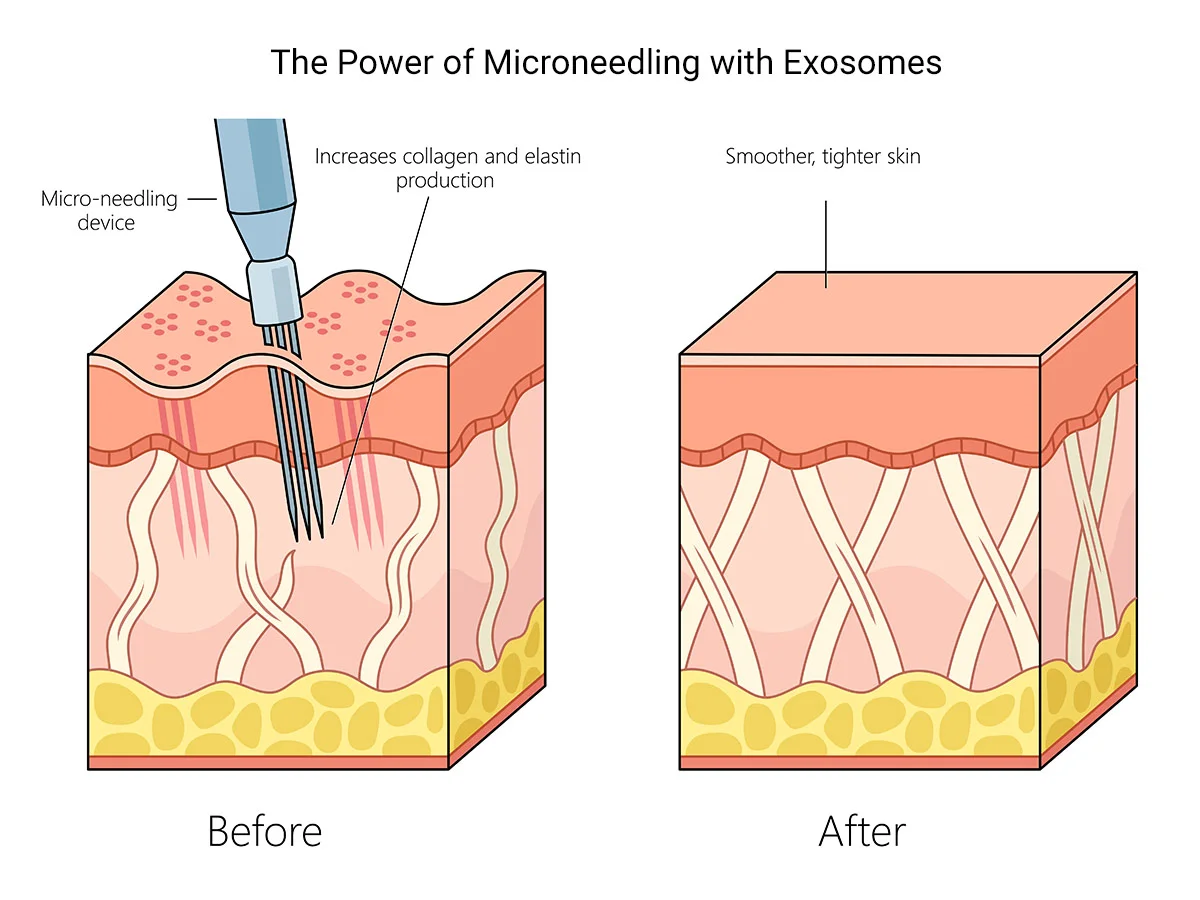
Microneedling with exosomes combines collagen-stimulating microneedling with advanced regenerative ingredients designed to support the skin's natural renewal processes.
Exosomes contain powerful signalling molecules that help skin cells communicate more effectively, encouraging repair and regeneration. When applied during microneedling, they can penetrate deeper into the skin, helping to enhance the overall rejuvenation process.
This treatment is often chosen by patients looking to improve skin quality rather than address a single concern. It can be particularly beneficial for those noticing dullness, uneven texture, enlarged pores, early signs of ageing, or a loss of overall radiance.
One of the reasons microneedling with exosomes has become increasingly popular is that the skin often appears brighter, smoother, and healthier-looking without changing your natural features. The focus is on helping your skin function at its best and creating a fresher, more revitalised appearance over time.
What Is Microneedling With Polynucleotides?
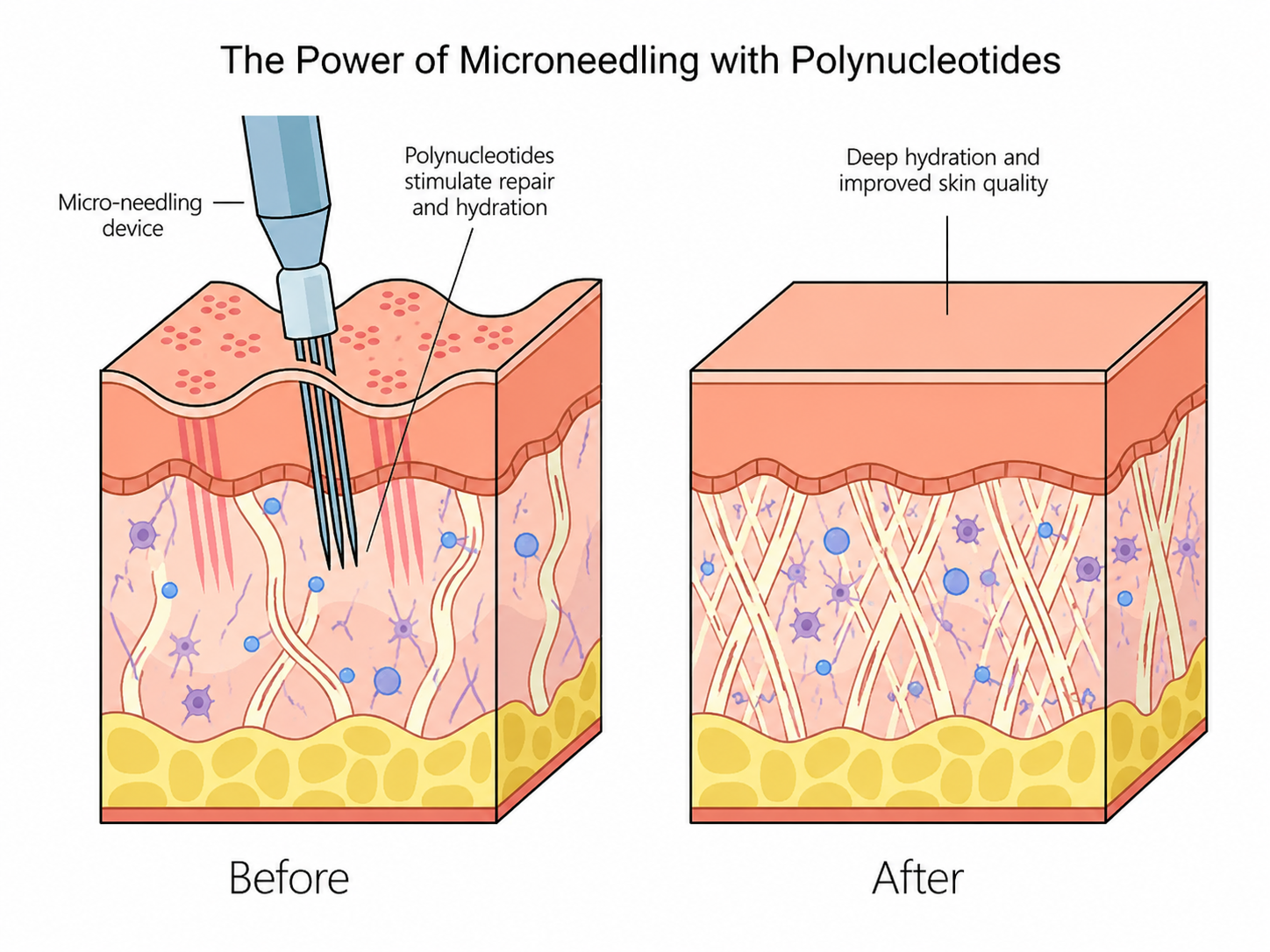
Microneedling with polynucleotides focuses on supporting skin health from within. Polynucleotides are regenerative molecules that help encourage tissue repair while supporting hydration, elasticity, and overall skin quality.
We often recommend this treatment for patients whose skin feels depleted, lacks bounce, or has started to show signs of environmental stress and ageing. Rather than providing a temporary fix, polynucleotides work with the skin's natural repair mechanisms to encourage gradual, long-term improvements.
Patients are often surprised by how naturally refreshed their skin looks following treatment. Rather than creating dramatic change, the goal is healthier, stronger skin with improved hydration, smoother texture, and a more rested appearance. For patients seeking subtle rejuvenation and long-term skin support, this can be an excellent option.
Which Treatment Is Better for Summer: Exosomes or Polynucleotides?
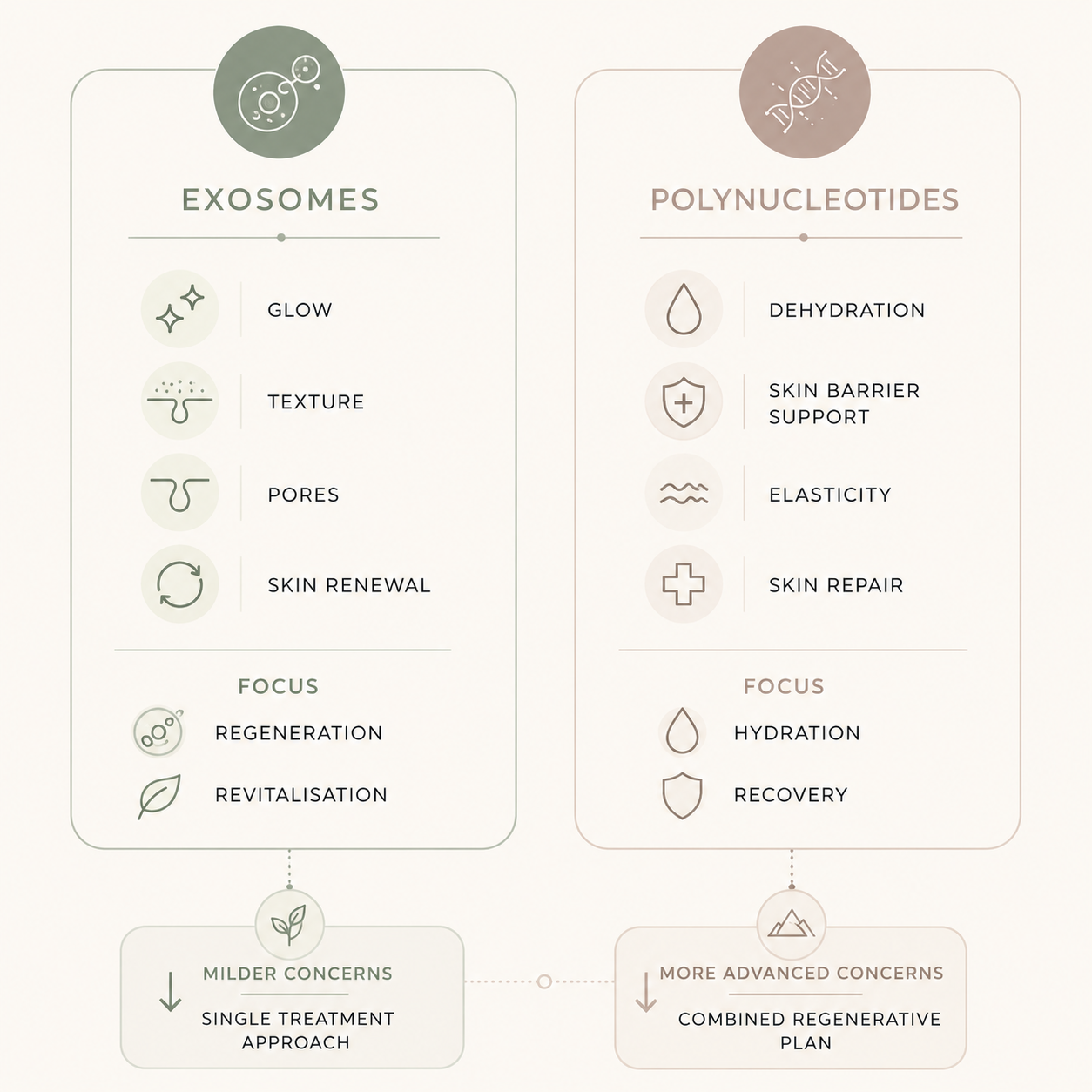
There is no universal answer because treatment selection depends entirely on the individual.
A common mistake patients make is assuming there is one "best" treatment for everyone.
In reality, the most appropriate option depends on factors including:
Skin quality
Hydration levels
Degree of sun damage
Ageing concerns
Skin sensitivity
Previous treatment history
Long-term goals
Can Microneedling Be Combined With Other Treatments?
Some of the most impressive results come from carefully combining treatments rather than relying on a single procedure. At Sciene, combination treatment planning often focuses on improving overall skin quality rather than chasing quick fixes. Depending on the patient's concerns, microneedling may be incorporated alongside treatments such as:
Needleless Mesotherapy
Needleless mesotherapy focuses on delivering active ingredients into the skin to improve hydration and skin vitality.
This can work particularly well for patients experiencing dehydrated summer skin who want enhanced radiance without significant downtime.
Radio Frequency Treatments
Radio frequency treatments help stimulate collagen production through controlled heat energy.
When combined appropriately with microneedling within a treatment plan, they can support both skin tightening and long-term collagen support.
Professional Skincare
Professional skincare remains one of the most important components of any skin rejuvenation programme.
Even the most advanced in-clinic treatments cannot fully compensate for an inconsistent home routine.
Daily SPF, antioxidant protection, hydration support, and barrier repair products all play an important role in maintaining results.
What Summer Precautions Should You Take After Microneedling?
Collagen support with appropriate summer precautions is entirely achievable when patients follow sensible aftercare advice.
Key recommendations typically include:
Daily broad-spectrum SPF 50
Avoiding direct sun exposure immediately after treatment
Wearing hats when outdoors
Avoiding excessive heat exposure for the first few days
Keeping the skin well hydrated
Following practitioner aftercare instructions carefully
Most patients find these measures easy to incorporate into their normal routine.
The goal is not to avoid summer entirely. It is simply to minimise unnecessary UV exposure while the skin is healing.
Frequently Asked Questions
Is microneedling safe during summer?
Yes. Microneedling can be performed safely during summer when appropriate aftercare and sun protection measures are followed.
Does microneedling increase sun sensitivity?
The skin can be temporarily more sensitive following treatment, which is why SPF and sensible sun protection are essential.
Is microneedling with exosomes worth it?
For many patients, exosomes can enhance regenerative outcomes by supporting healing, skin repair, and overall skin quality improvements.
Are polynucleotides good for dehydrated skin?
Yes. Polynucleotides are frequently recommended for patients experiencing dehydration, compromised skin quality, or early signs of ageing.
How long should I avoid the sun after microneedling?
Your practitioner will provide personalised guidance, but avoiding direct sun exposure immediately after treatment and maintaining diligent SPF use is important.
Can microneedling help with summer-damaged skin?
Yes. Microneedling can support skin renewal, collagen production, hydration, and overall skin quality, making it a popular option for addressing the effects of environmental stress and sun exposure.
Supporting Healthier Skin Throughout Summer
Summer does not have to mean putting your skin goals on hold.
With the right treatment selection, expert guidance, and appropriate aftercare, treatments such as microneedling with exosomes and microneedling with polynucleotides can form an effective part of a hydration-focused rejuvenation plan while continuing to support long-term collagen production and skin health.
If you are considering microneedling and would like personalised advice, book a consultation at Sciene in Muswell Hill. Our team can assess your skin, discuss your goals, and create a tailored treatment plan designed around your individual needs, whether you are looking to improve hydration, support collagen production, or achieve healthier, more radiant skin throughout the summer months.
