

Sunlight, Collagen and Skin Ageing: What Happens Beneath the Surface
Most people associate sun exposure with tanning, freckles, or the occasional sunburn. What many do not realise is that some of the most significant changes happen long before they become visible on the surface of the skin.
Every day, ultraviolet (UV) radiation triggers a series of biological processes beneath the skin. Some are temporary, while others accumulate gradually over months and years. Collagen fibres become damaged, inflammation increases, pigment cells become overactive, and the skin's natural repair mechanisms begin to slow.
At Sciene London, we often see patients who feel their skin has suddenly become duller, looser, or more uneven in tone. In reality, these changes have often been developing beneath the surface for years.
Understanding what UV damage actually does to the skin can help you make more informed decisions about preventative skin health, skincare, and treatment options before visible ageing becomes more difficult to reverse.
How Does UV Damage Affect the Skin?
Sunlight contains different forms of ultraviolet radiation, but the two most relevant to skin ageing are UVA and UVB rays.
UVB is primarily responsible for sunburn. UVA penetrates deeper into the skin and is one of the biggest contributors to premature ageing.
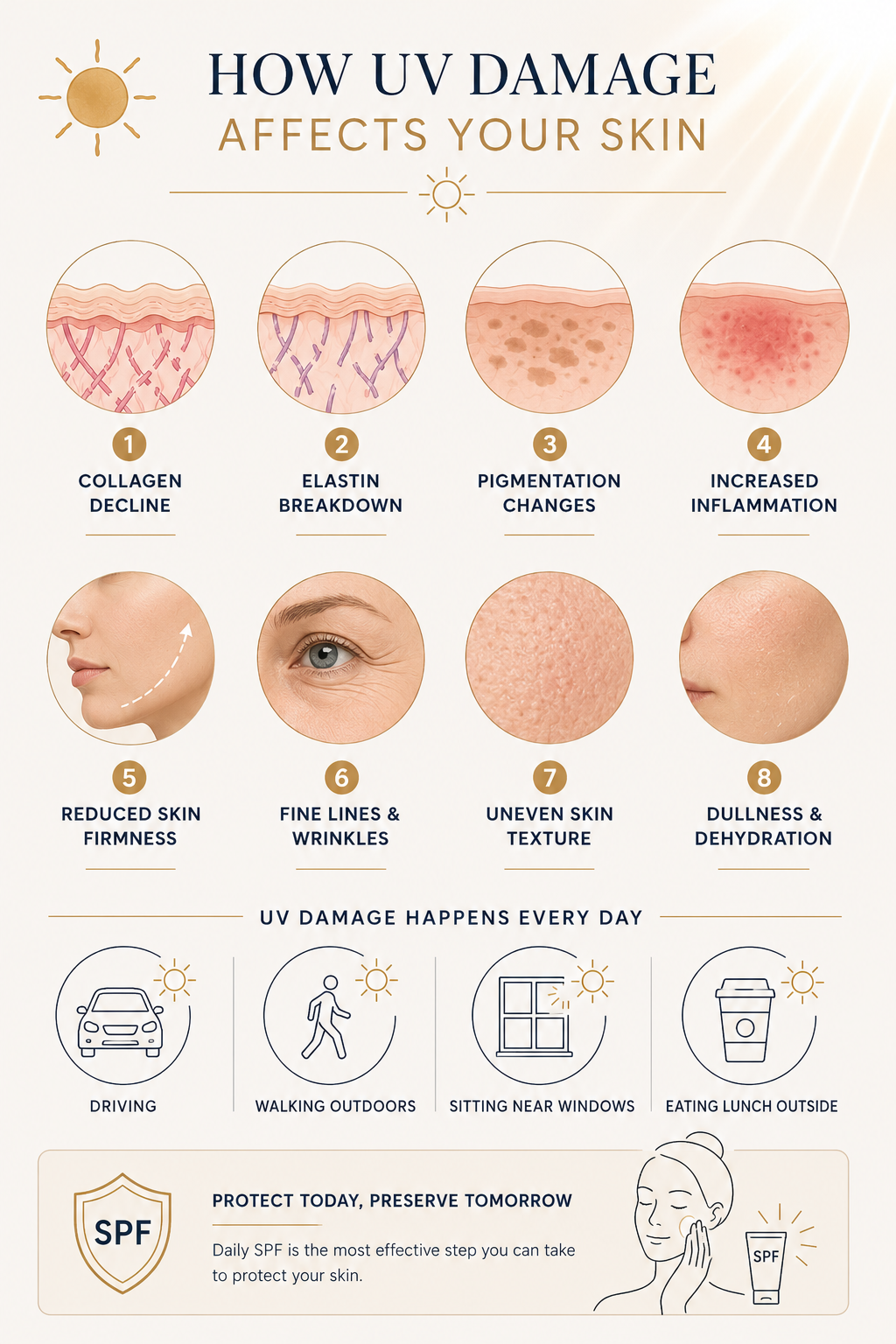
Unlike sunburn, which is immediately noticeable, UVA damage occurs gradually. It penetrates into the deeper layers of the skin where collagen and elastin fibres provide structure, strength, and elasticity.
Why Does Sun Exposure Age the Skin?
One of the main reasons skin ages prematurely is because UV exposure affects the skin's natural support structures.
Collagen, which helps keep skin firm, smooth and resilient, gradually breaks down when exposed to ultraviolet radiation. At the same time, the skin becomes less efficient at producing new collagen. Over time, this can contribute to fine lines, wrinkles, reduced firmness, thinning skin and an overall loss of skin quality.
What many patients do not realise is that collagen decline often begins years before visible signs of ageing appear, which is why preventative skin health has become such an important focus.
How Does UV Damage Cause Inflammation?
Sun exposure also triggers inflammation within the skin. While this is part of the body's natural protective response, repeated exposure can lead to ongoing low-grade inflammation that accelerates the ageing process.
Over time, this can contribute to increased redness, skin sensitivity, impaired barrier function, slower healing and further collagen breakdown.
Much of this activity happens beneath the surface, which means skin can appear relatively healthy while underlying damage continues to develop.
Why Does UV Exposure Cause Pigmentation?
When skin is exposed to UV radiation, pigment-producing cells called melanocytes increase melanin production to help protect against damage.
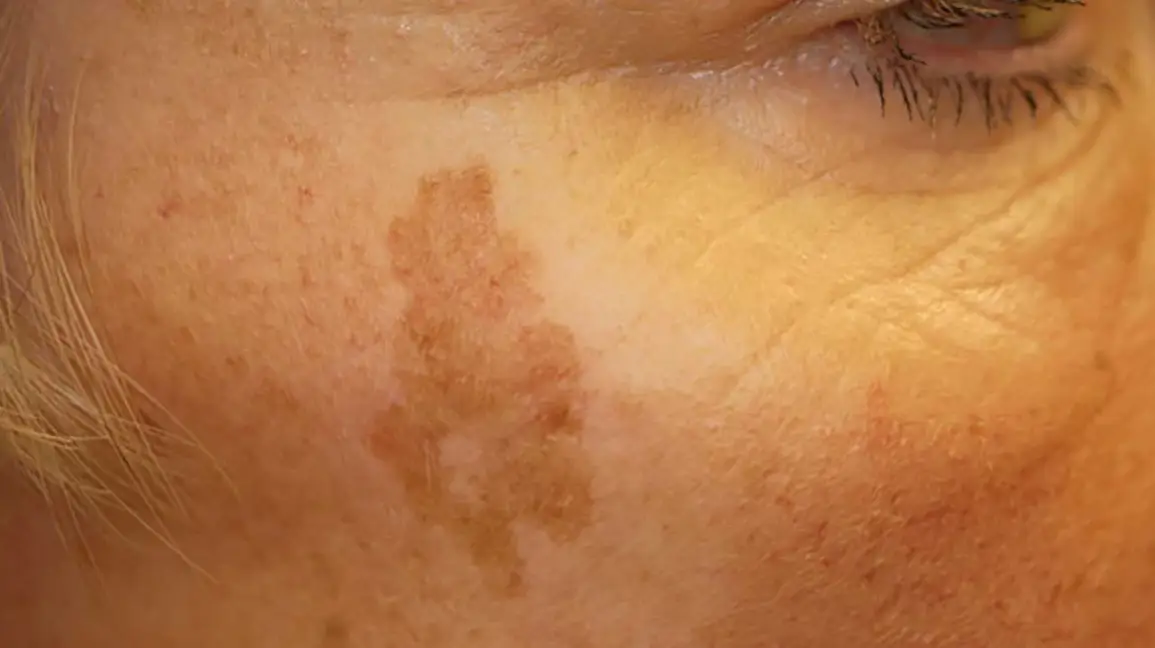
With repeated exposure, these cells can become overactive, leading to concerns such as sunspots, uneven skin tone, persistent discolouration and melasma flare-ups.
In clinic, we often see patients who feel their pigmentation has appeared suddenly. In reality, the trigger may have occurred weeks or even months earlier. This is one reason why daily SPF and early intervention remain so important when managing pigmentation concerns.
Does SPF and Antioxidant Skincare Really Help Prevent Skin Ageing?
Absolutely. Daily SPF is one of the most effective tools we have for protecting the skin from premature ageing. While many people associate sunscreen with preventing sunburn, it also plays a vital role in protecting collagen, reducing pigmentation and limiting the inflammation caused by UV exposure.
For effective protection, SPF should be applied every morning, used year-round, and reapplied during prolonged outdoor exposure. We often see patients investing in high-quality skincare but overlooking consistent sun protection, which can significantly limit the results they achieve.
Alongside SPF, antioxidant skincare helps defend the skin against free radicals generated by UV exposure, pollution and other environmental stressors. By helping to reduce oxidative stress, antioxidants can support collagen health, improve skin resilience and contribute to a brighter, healthier-looking complexion.
Used together, SPF and antioxidant skincare form the foundation of a strong preventative skin health strategy, helping to preserve skin quality and support healthier ageing over time.
Which Treatments Can Help Address UV Damage and Collagen Decline?
Hydrabeauty Bespoke Treatment
For patients experiencing dehydration, dullness, or early signs of environmental damage, Hydrabeauty can be an excellent starting point.
This advanced facial combines cleansing, exfoliation, hydration and rejuvenation to support overall skin health. Treatments can also incorporate LED therapy and exosomes depending on individual requirements.
While hydration alone cannot reverse collagen decline, well-hydrated skin often appears brighter, healthier and more resilient. For milder cases, we would usually start with treatments that improve skin health and barrier function before progressing to more intensive collagen-stimulating options.
Exosome-Enhanced Skin Rejuvenation
Exosomes are increasingly used within regenerative aesthetic medicine because of their ability to support cellular repair and skin rejuvenation.
When incorporated into advanced facial treatments, exosomes can help support:
Skin recovery
Collagen stimulation
Improved skin quality
Reduced inflammation
Enhanced radiance
They are often particularly beneficial for patients whose skin appears tired, environmentally stressed, or affected by early photoageing.
Skin Peel Treatments
Chemical peels remain one of the most effective options for addressing pigmentation, uneven skin tone and sun-damaged skin.
At Sciene, both AlumierMD and Mesoestetic Skin Peels are available, allowing treatment intensity to be tailored to individual skin concerns.
AlumierMD peels are often well suited to more sensitive skin, while Mesoestetic peels can provide deeper rejuvenation for pigmentation, ageing concerns and textural irregularities.
In practice, treatment selection depends on the severity of the damage. Mild sun damage may respond well to a course of lighter peels, while more advanced pigmentation often benefits from a longer-term approach combining professional treatments, targeted skincare and consistent sun protection.
Which Treatment Combinations Tend to Work Best?
The best outcomes rarely come from a single treatment. Instead, we often achieve stronger and longer-lasting improvements by combining treatments that address different aspects of skin ageing simultaneously.
For example:
Hydrabeauty plus antioxidant skincare and daily SPF for prevention and maintenance
Skin peels combined with pigment-focused skincare for uneven tone
Exosome-enhanced treatments alongside hydration-focused therapies for skin quality and repair
Professional treatments supported by a long-term home skincare programme
The most effective treatment plans are usually progressive. Skin health is improved first, inflammation is controlled, pigmentation is stabilised, and collagen stimulation is introduced where appropriate.
FAQs
Can UV damage be reversed?
Some visible effects of UV damage can be improved through professional treatments and medical-grade skincare. However, prevention remains far easier than correction.
Does collagen decline happen naturally with age?
Yes. Natural collagen production gradually decreases with age. UV exposure accelerates this process significantly.
Is SPF necessary in winter?
Yes. UVA rays remain present throughout the year and can penetrate cloud cover and glass.
Can pigmentation return after treatment?
Yes. Without proper sun protection and maintenance, pigmentation can recur, particularly in patients prone to melasma or sunspots.
What age should I start focusing on preventative skin health?
There is no single age. Many patients benefit from adopting good skincare habits, antioxidant protection, and daily SPF long before visible signs of ageing appear.
Protecting Your Skin for the Future
Healthy skin is not simply about treating wrinkles or pigmentation once they appear. It is about understanding the biological changes taking place beneath the surface and taking steps to support skin health before significant damage accumulates.
At Sciene in Muswell Hill, we take a personalised approach to skin health, combining advanced treatments with tailored skincare recommendations to help address UV damage, pigmentation, inflammation, and collagen decline. Whether your goal is prevention, rejuvenation, or improving overall skin quality, our team can create a treatment plan tailored to your skin's unique needs.
Book a consultation today and discover how a clinically led approach to preventative skin health can help your skin look healthier, stronger, and more radiant for years to come.
