

The Silent Symptoms of Pelvic Floor Weakness Many Women Ignore
Pelvic floor weakness is far more common than many women realise, yet it often goes unspoken for years.
At Sciene London, we frequently meet women who have quietly adapted their lives around symptoms they assume are simply a normal part of ageing, childbirth, or menopause. They stop running because of bladder leaks. They avoid certain exercises because their core feels unstable. Some begin planning journeys around toilet access without consciously recognising how much it affects their daily confidence.
The reality is that pelvic floor weakness is not something women simply have to accept.
Understanding the signs early can make a significant difference, particularly now that effective, non-invasive treatment options are available.
What Is Pelvic Floor Weakness?
The pelvic floor is a group of muscles that sits at the base of the pelvis. These muscles support the bladder, bowel, and reproductive organs while helping control continence and contributing to core stability.
When these muscles weaken, their ability to provide support and control is reduced.
This can happen for many reasons, including:
Pregnancy and childbirth
Menopause and hormonal changes
Ageing
Chronic coughing
Heavy lifting
High-impact exercise
Previous pelvic surgery
Changes in muscle strength and connective tissue over time
Some women experience changes shortly after childbirth, while others notice problems developing years later.
What Are the Early Signs of Pelvic Floor Weakness?
Many symptoms begin subtly. Early signs can include:
Occasional bladder leaks when coughing, laughing, or sneezing
Difficulty holding urine when rushing to the toilet
A feeling of heaviness in the pelvis
Reduced core strength during exercise
Lower back discomfort
Difficulty engaging abdominal muscles
Reduced confidence during physical activity
Changes in intimate wellness
Individually, these symptoms may seem minor. Collectively, they can have a considerable impact on quality of life.
Why Does Pelvic Floor Cause Core Weakness?
The pelvic floor forms part of the body's deep core support system alongside the diaphragm, abdominal muscles, and muscles surrounding the spine.
When the pelvic floor is not functioning optimally, the entire system can become less efficient.
Patients often describe:
Feeling unstable during exercise
Difficulty performing core workouts
Reduced strength during lifting
Persistent weakness despite regular training
Poor postural control
In clinic, we often see women who focus entirely on strengthening their abdominal muscles without realising the pelvic floor is contributing to the problem. Without addressing the underlying weakness, progress can be slower than expected.
Tesla Chair: Strengthening the Pelvic Floor Without Exercise
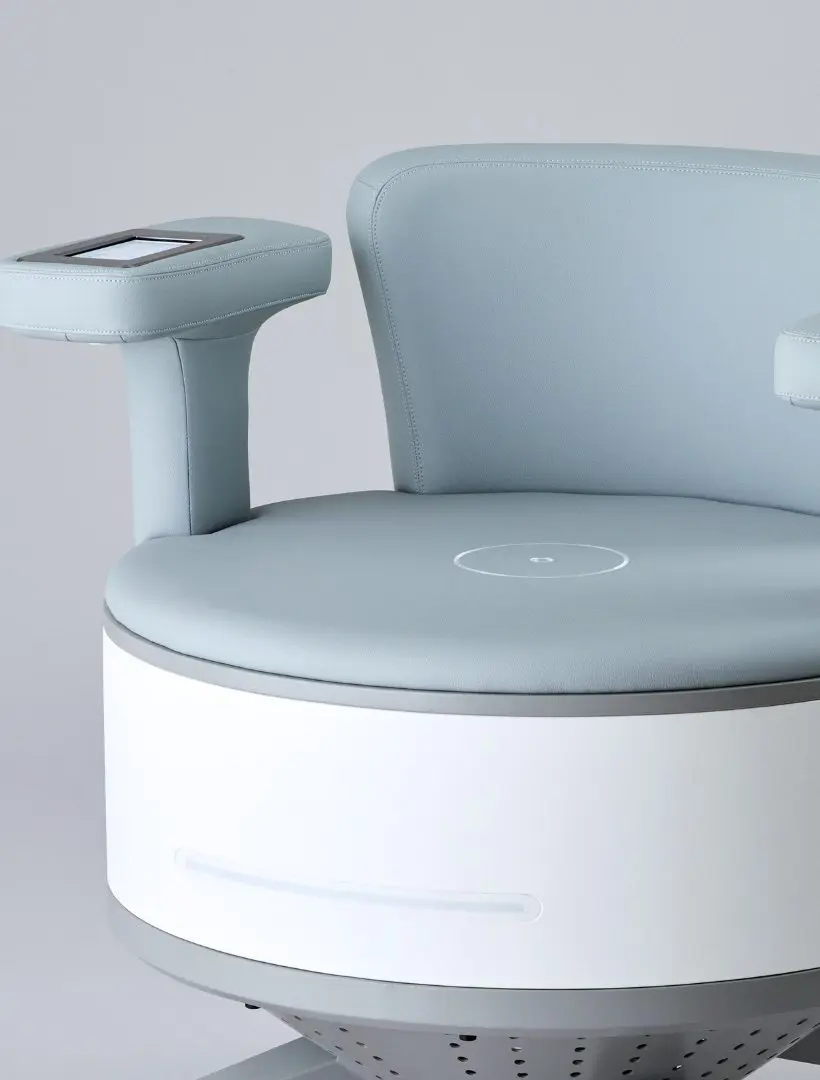
Tesla Chair
One of the most popular treatments at Sciene London for pelvic floor weakness and bladder control concerns is the Tesla Chair.
The Tesla Chair uses high-intensity electromagnetic stimulation to trigger deep pelvic floor contractions while you sit comfortably and fully clothed. A single 30-minute session generates the equivalent of approximately 19,000 Kegel exercises.
How Does the Tesla Chair Work?
The treatment stimulates the pelvic floor muscles far more intensively than most people can achieve voluntarily.
These powerful contractions help retrain and strengthen the muscles responsible for:
Bladder control
Pelvic support
Core stability
Intimate wellness
Treatment is entirely non-invasive.
There are:
No injections
No surgery
No downtime
No recovery period
Many patients appreciate the fact that treatment can fit easily into a busy lifestyle.
Who Is the Tesla Chair Suitable For?
The Tesla Chair may be suitable for women experiencing:
Mild to moderate urinary incontinence
Pelvic floor weakness after childbirth
Reduced core strength
Pelvic weakness affecting confidence or exercise performance
For milder cases, we would usually start with a course of pelvic floor strengthening treatments and assess progress over time. For women with more complex symptoms, a combination approach may be recommended.
Can Pelvic Floor Treatments Be Combined?
One of the advantages of our feminine health offering is that treatments can be tailored according to what is driving the symptoms.
Tesla Chair + FormaV®
For women experiencing bladder control concerns alongside vaginal laxity, dryness, or menopausal changes, the Tesla Chair may be combined with FormaV®. FormaV uses radiofrequency energy to stimulate collagen production, improve circulation, and enhance tissue quality within the vaginal canal.
This combination can be particularly beneficial for women whose symptoms involve both muscular weakness and tissue changes.
Tesla Chair + Morpheus8V®
For more advanced tissue rejuvenation, Morpheus8V® may be incorporated into a treatment plan. Morpheus8V combines radiofrequency energy with microneedling to stimulate deeper collagen remodelling and support tissue regeneration. It may help improve hydration, sensitivity, mild urinary incontinence, and tissue firmness.
In more advanced cases, we would normally look at combining treatments that address multiple aspects of intimate wellness rather than focusing on a single concern alone.
What Benefits Can Patients Expect?
Every patient is different, but common improvements may include:
Improved bladder control with fewer leaks during exercise, coughing, sneezing, or daily activities.
Greater pelvic floor strength and improved support for the bladder and pelvic organs.
Better core stability, helping women feel stronger and more confident during exercise and movement.
Enhanced intimate wellness, particularly when tissue-focused treatments such as FormaV® or Morpheus8V® are incorporated.
Improved confidence in social situations, exercise classes, travel, and everyday life.
Greater overall quality of life, with fewer symptoms influencing daily routines.
For many women, the biggest change is not just physical. It is the confidence that comes from feeling more in control of their body again.
When Should You Seek Help?
If bladder control issues, core weakness, pelvic discomfort, or changes in confidence are affecting your quality of life, it is worth seeking professional advice. You do not need to wait until symptoms become severe.
Early intervention often allows for a broader range of treatment options and can help prevent symptoms from progressing further.
Frequently Asked Questions
Can pelvic floor weakness improve without treatment?
Some mild cases may improve with targeted pelvic floor exercises and lifestyle changes. However, many women benefit from professional assessment and advanced treatment options.
Does the Tesla Chair replace Kegel exercises?
The Tesla Chair is designed to strengthen the pelvic floor through powerful muscle contractions. Many women find it helpful when they struggle to perform Kegel exercises effectively or consistently.
Is pelvic floor weakness common after childbirth?
Yes. Pregnancy and childbirth are among the most common causes of pelvic floor weakness, although symptoms may not develop until years later.
Can menopause contribute to bladder control problems?
Yes. Hormonal changes during menopause can affect both pelvic floor function and tissue quality, contributing to bladder control issues and intimate health concerns.
How many Tesla Chair sessions will I need?
Treatment plans are tailored to the individual. During your consultation, we will assess your symptoms and recommend the most appropriate course of treatment.
Restore Strength, Control and Confidence
Many women live with pelvic floor weakness for far longer than necessary.
Whether you have noticed changes in bladder control, reduced core strength, or a gradual loss of confidence, seeking advice is often the first step towards improvement.
At Sciene London, our feminine health treatments, including the Tesla Chair, FormaV® and Morpheus8V®, are designed to support pelvic floor function, intimate wellness, and overall quality of life through personalised, consultation-led care.
If pelvic floor weakness is affecting your daily life, book a consultation with the team at Sciene London and discover which treatment approach may be most appropriate for your individual needs.
